Animal Planet, a channel devoted to nature, has a show called Untamed and Uncut. It's a show that specializes in unexpected animal attacks ranging from unprovoked to the What-In-The-World-Was-That-Person-Smoking kind of stupidity.
Here are the four that I personally find interesting:
1) Double Great White Attack: A surfer is suddenly attacked by TWO great white sharks.
2) Crocodile Death Roll: A young man performing a stunt unknowingly pulls out the wrong crocodile.
3) Lion Bites Owner: A wild animal trainer's beloved lion attacks when the man makes the mistake of turning his back on the animal.
4) Boa Bites Owner In The Face: A man who doesn't know how to properly care for snakes gets bitten in the face by his boa when he shows her off at a party.
So these four go from the unprovoked to the provoked. Feel free to comment.
Saturday, November 12, 2011

Monday, November 7, 2011
Stupid and Incomprehensible Bumper Stickers
I saw a strange bumper sticker on my way to an appointment. It was written in green and blue letters and it read "WHEN A FAT GIRL FALLS IN A FOREST, DO THE TREES LAUGH?". If you ask me, that makes about as much sense as a Megalodon volleyball team. What exactly does someone mean when they ask if trees laugh when a fat girl falls in a forest? I would love to know the answer.
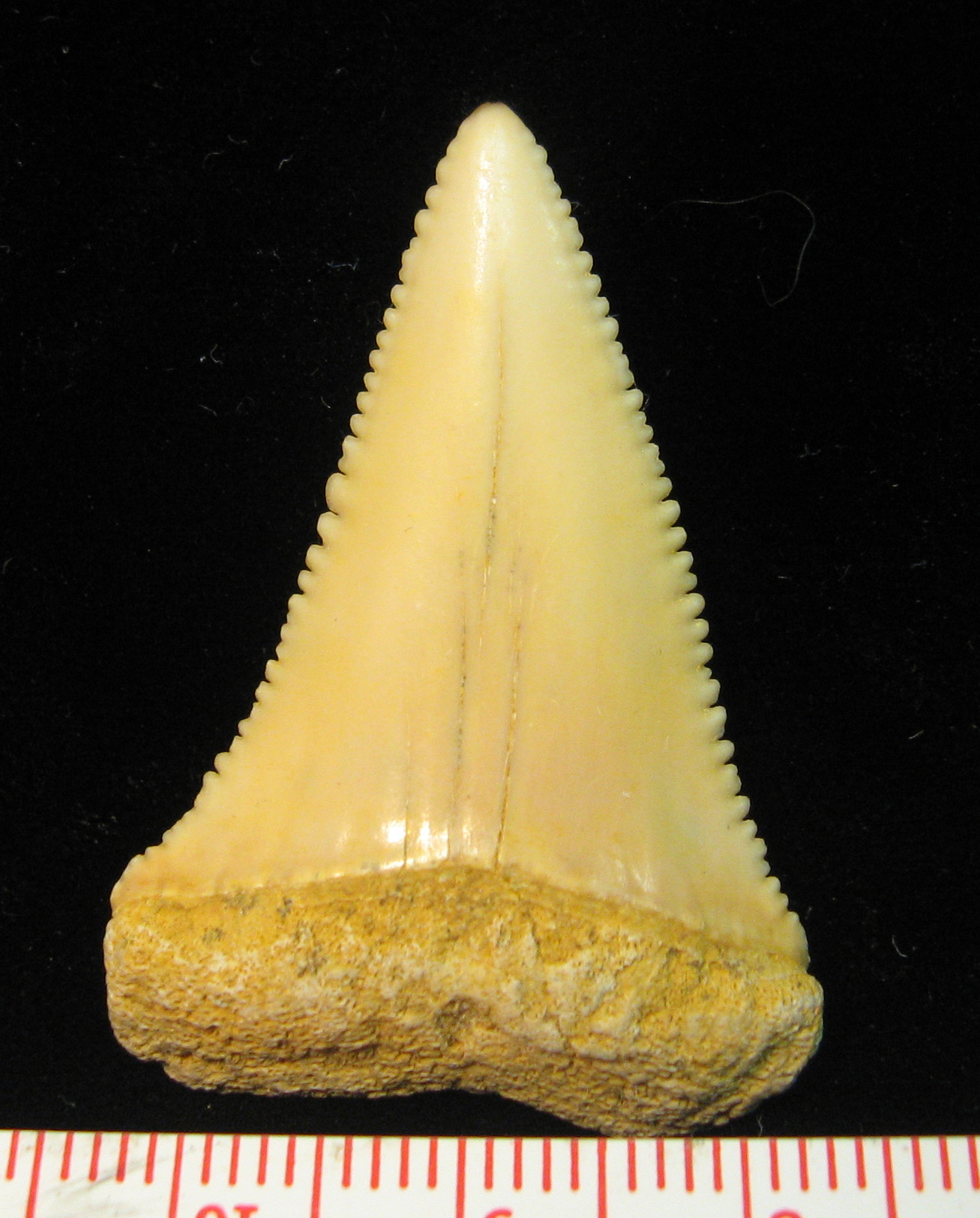
And then of course you've got your general share of idiotic "Coexist" bumper stickers. These bumper stickers are popular with people who assume that education will end prejudice. You'd have better success trying to get a great white shark to give up seals in favor of seaweed (their teeth are not designed for eating plants).
I'm getting fed up with the "RECALL SCOTT WALKER!" stickers. Come on! He hasn't been caught with hand either in the till or down someone's pants. That's the only legitimate reason to recall an elected politician. I'm also utterly sick of all the noise people are making about him, so the moment I see a "RECALL WALKER" bumper sticker I always say "GO SIR WALTER SCOTT!", simply because I'm tired of all the shoutloud.
If there is a political bumper sticker that actually makes sense, let me know.
And then of course you've got your general share of idiotic "Coexist" bumper stickers. These bumper stickers are popular with people who assume that education will end prejudice. You'd have better success trying to get a great white shark to give up seals in favor of seaweed (their teeth are not designed for eating plants).
I'm getting fed up with the "RECALL SCOTT WALKER!" stickers. Come on! He hasn't been caught with hand either in the till or down someone's pants. That's the only legitimate reason to recall an elected politician. I'm also utterly sick of all the noise people are making about him, so the moment I see a "RECALL WALKER" bumper sticker I always say "GO SIR WALTER SCOTT!", simply because I'm tired of all the shoutloud.
If there is a political bumper sticker that actually makes sense, let me know.
Saturday, November 5, 2011
EUGENE ONEGIN: Tchaikovsky's Masterpeice
I first heard Eugene Onegin when I was fifteen and a sophomore in high school. I also had a boyfriend at the time. The opera was being broadcast over the radio as part of the Metropolitan Opera International Radio Network and Russian baritone Dmitri Hvorostovsky sang the title role.
Last night, I went with my dad to see Eugene Onegin at the Overture Center in Madison. Baritone Hyung Yun sang the title role and he's pretty good. Tatyana was sung by soprano Maria Kanyova.
The character of Eugene Onegin is nothing new. He is every upper-class twit who believes that the world exists for his own personal amusement. And in Act Three when he has come to St. Petersburg after wandering all over the world, he still hasn't grown up even at twenty six.
He snobbishly rejects the love of the humble country girl Tatyana Larina, but six years later after she's already been married for two years, he tries to get her to abandon everything for him. And he rightly deserves the emotional smack in face he gets when Tatyana tells him to leave her forever.
Act One, Scene One opens in the provincial countryside. Madame Larina, a widowed landowner, is making jam with Filipevna, her daughters' old nurse. Tatyana is seventeen and her sister Olga (played to perfection by mezzo-soprano Jamie van Eyck), is sixteen. They sing about love and passion while their mother listens and recalls the time when she felt those those feelings too. The peasants come in from the harvest bringing tribute to Madame Larina and they dance. After they leave, the shy and dreamy Tatyana starts to read from one of her romantic novels, while the vivacious and coquettish Olga laughs and teases her. Madame Larina notices Tatyana looking pensive and quiet and asks if she is ill. Tatyana tells her that she is caught up in her novel. Madame Larina tells her that it is all fiction. Suddenly Olga's fiance Vladamir Lensky arrives with a friend from the city, Eugene Onegin. While Lensky courts Olga, Onegin goes for a walk with Tatyana, who falls immediately in love with the handsome stranger. Later, Madame Larina calls them in for dinner, and Filipyevna suspects that Tatyana has fallen in love.
Scene Two finds us in Tatyana's bedroom where she asks Filipyevna about her first love. Filipevna tells her that her marriage was arranged when she was only thirteen; being in love was out of the question. She asks Tatyana if she's okay; Tatyana simply says that she's is love and asks her nurse to leave, but not without asking for a pen and some paper. After Filipevna leaves, Tatyana, flushed with a wild compulsive love for Onegin, writes him a letter and fantasizes about who she believes him to be. In fact, she stays up all night writing the letter. In the morning, she gives it to Filipevna, whose grandson will take the letter to Onegin.
Scene Three takes place in the garden where peasant women are picking berries and singing about flirting with young men. Tatyana enters and sees Onegin approaching. She is afraid of how he will think of her. Onegin enters and tells her that while he moved by her sentiments, he is not a man made for marriage and will cease to love Tatyana after a while. Translation: "I'm a man of great importance, you're just a coltish little country girl who reads too much." Tatyana is crushed.
Act Two, Scene One takes place a few months later. It is Tatyana's eighteenth birthday and her family is throwing a grand ball for her. All their neighbors have come to celebrate, including Eugene Onegin. Lensky persuaded him to come with. Onegin dances with Tatyana, but some of the neighbors have heard about what happened in the garden. Onegin gets fed up with their talk. He's bored and blames Lensky for his boredom. To get back at Lensky, Onegin flirts with Olga and dances many dances with her. This arouses Lensky's jealousy and he confronts Olga. She tells him that he is overreacting. This encounter is interrupted by Monsieur Triquet; a French neighbor and Tatyana's tutor. He serenades Tatyana in French. Afterward, the dancing begins again and Onegin dances with Olga again. Lensky decides that he's had enough and challenges Onegin to a duel. Madame Larina begs them not to fight in her house. Lensky believes that Olga has betrayed him and dumps her in front of everybody. Although Onegin asks Lensky to not make a scene, he accepts Lensky's challenge, and between the two of them, they ruin Tatyana's birthday. Olga pleads with Lensky but her words fall on deaf ears.
Scene Two takes place at dawn. Lensky and his second, Zaretski, are present. Zaretski wonders why Onegin is late (he follows the rules of dueling to the point of absurdity). Lensky muses on his short life and imagines Olga going to his grave to mourn him. Onegin enters with his valet, Guillot, acting as his second. Both Onegin and Lensky believe that they have acted foolishly and wish they could reconcile and be friends again, but they are both too proud do so. The duel proceeds and Lensky is killed.
Act Three, Scene one takes place six years later at the palace of Prince Gremin where a grand ball is in progress. Onegin is twenty-six and depressed. He has been wandering the world in search of entertainment and escape from the memory of Lensky, whose bloody ghost Onegin believes still haunts him. He has no job, no wife, no obligations, and no purpose. Suddenly, the elderly Prince Gremin enters with his beautiful young wife on his arm. Onegin recognizes her as Tatyana, the same girl he rejected all those years ago. Tatyana recognizes him and prays for strength. Gremin tells Onegin that Tatyana is his wife and he is just crazy about her. He got fed up with all the phonies he saw around. Then Tatyana came along and she is the complete opposite of the aristocrats and he saw it. He then introduces Onegin and Tatyana, but Tatyana says that she is tired and leaves with her husband. Onegin suddenly realizes that he has fallen in love with Tatyana.
The final scene takes place in Tatyana's boudoir. Onegin has sent her a letter, just as she did to him. Tatyana is troubled by the old passion and weeps. Onegin enters and throws himself at her feet. Tatyana regains herself and tells him to get up. When Onegin declares his love for her, she questions him. He broke her heart once before. Why does he come running to her now? Is it her position? Her husband's reputation? Why should she believe him when he's proven himself to be a self-centered young man? Onegin says he made a mistake and loves her. Tatyana weeps and laments that love was once so close but now the past is past. She admits that she still loves Onegin, but she is married now and will be faithful to her husband. Onegin tried to force her to come with him and abandon her husband, her duties, everything for him. Onegin continually begs Tatyana to give in, but finally she shouts "Farewell forever," and leaves Onegin to his despair.
The settings and acting were something else. The first scene of Act One was the exterior of the Larin home. Just before the curtain rose, Onegin walked out onstage looking bored and annoyed. Then the curtain rose to reveal a transparent screen in front of the scene one set. Onegin stood for a moment, then left the stage. On the left was the house which people went in and out of, and there was a table on the far right where Madame Larina and Filipevna sat making jam. This production had Olga behaving like a little girl and several times she snarfed some of the jam. There were autumn birch trees and fallen leaves as well. The peasants' dance was something else.
Scene two had Tatyana's bed, bookshelf, desk, and chair simply out of a platform in front of a screen. When the letter scene is over, the platform is removed and we're back to the exterior of the house, as if Tatyana had wandered outside while she was fantasizing about Onegin (they actually showed her becoming aware of being outside in her nightgown!). Filipevna is simply surprised to see her out of bed so soon.
Scene three took place in the garden. The screen rose to reveal to the peasant women picking berries. there were two rows of berry bushes and what looked like those log chairs or whatever they are that you'd find at a summer camp. When Onegin gave Tatyana what is often called his sermon, she sits on one of these little chairs. After Onegin's lecture, she runs off.
Now this production divided the second act between acts One and Three. The first scene of Act two took place right after the Garden Scene. This scene was the ballroom of the Larin house. During this scene, an amazing waltz plays. The walls of the room were a yellowish color. There was a refreshment table in the background and over that was a wreath that resembled a Christmas decoration. There were also dining tables in the scene where guests sat and gossiped while couples danced. Some of the men left the room and came back at the end of the waltz with several bottles of wine. In this production, Monsieur Triquet looked like Harpo and Bilbo put together and clad in goofy 19th Century costume. When Onegin and Lensky's fight really got ugly and they began physically fighting with each other, several men pulled them back and really restrained them.
Scene two took place in a grove of trees at dawn. There was a little light streaming through the trees. Now, I've seen the duel on YouTube before, but the part where Lensky and Onegin actually turn and shoot still sent shivers up my spine and Onegin's gunshot still startled me. That's simply a function of seeing the performance live as opposed to online.
Act Three, Scene one began with a polonaise and had Onegin being changed onto his good clothes for his appearance at the ball. The setting had dining tables and large columns, plus a couch on the far right. Gremin wore a military uniform while Tatyana wore a pink dress and a tiara.
In my humble opinion, the most beautiful love song in all of opera is not sung by a young tenor, or young soprano, or young mezzo-soprano character, but by an old basso character who has seen so much over the years. Bass Harold Wilson was perfect as Gremin. At the end of the scene when Onegin sings that he is now in love with Tatyana, he immediately sits down and writes her the letter. Then he give sit to a servant to take to Tatyana.
The final scene in the boudoir was represented simply by curtained windows, bookshelves, a desk, and a couch. Tatyana sat on the couch and wept after reading the letter, and Onegin saw this and threw himself at her feet. She questions him and he protests saying he loves her. She Admits she still loves him, but asks him to leave. In this productions she tore his letter to shreds in front of him. When she says her final farewell, she runs of and leaves Onegin collapsing and miserable.
On the whole, this was an awesome performance. Russian Opera is different from other European opera but it is great. I'd suggest this one for anyone whose new to opera, or else just a Tchaikovsky fan.
Monday, October 24, 2011
This Just Takes The Cake!
PETA has really put their foot it in this time. Their latest add claims that shark attack victims deserve the attack because of cruelty to animals. While I'm not all for fishing for sharks, claiming that victims of attack have it coming is like saying that it's your fault if you get breast cancer. And most of these attacks are unprovoked. I wonder how these PETA lunatics would react if they themselves were attacked by a shark or had a loved one who was attacked. They might find out that the victim didn't even provoke the attack or even deserve it.
Sunday, October 16, 2011
SAND MERCHANT Wreck: A Case of Colossal Foolishness
I read Dwight Boyer's book Ships and Men of the Great Lakes. This book had a story about a sand-sucker ship called the Sand Merchant. In her heyday she worked on Lake Erie, sucking sand from the lake bottom to be used in making pavement for roads.
However, on this day is 1936, First Mate Bernie Drinkwater had invited his wife along to take a trip. This was of course against the rules. However, this rule was often overlooked by captains.
Well, sometime during the evening, the Sand Merchant began to list to port. Whether it was a leak in her ballast tanks or a shifting of her cargo is not known. Drinkwater roused the other sailors to help prepare the lifeboats but he himself went to calm his wife instead doing his duties. As a result, they and seventeen others went down with the ship.
This article includes the account from Dwight Boyer's book and can explain the incident better than I can.
However, on this day is 1936, First Mate Bernie Drinkwater had invited his wife along to take a trip. This was of course against the rules. However, this rule was often overlooked by captains.
Well, sometime during the evening, the Sand Merchant began to list to port. Whether it was a leak in her ballast tanks or a shifting of her cargo is not known. Drinkwater roused the other sailors to help prepare the lifeboats but he himself went to calm his wife instead doing his duties. As a result, they and seventeen others went down with the ship.
This article includes the account from Dwight Boyer's book and can explain the incident better than I can.
Wednesday, October 12, 2011
Three Most Fragile Gems
I've always known that gemstones are fragile at some point. What I didn't realize until I read a book on the subject was that if you own an emerald or pearl or piece of amber, you cannot use even so much as soap and water on them because it will damage the jewel.
Amber is fossilized tree resin. It is often orange or yellow in color. I think the best pieces are the ones with fossilized insects inside of them.
Emeralds are the most famous form of beryl crystal. It is usually some sort of green color.
Pearls are organic gems made in the shells of certain types of oysters and clams. They are usually portrayed as white, buy many are reddish, yellow, and black.
Why can't soap and water be used on these gems? Because these three are exceptionally fragile. Most of the emeralds I've seen seem to have scratches on the inside, and I read that they are treated with some kind of oil during shaping in order to give them a nicer finish. Amber is a fossil and fossils are by nature fragile in the first place. And pearls come straight from living shellfish, and shellfish shells are very fragile. I know because I've stepped on invasive zebra mussel shells before.
Amber is fossilized tree resin. It is often orange or yellow in color. I think the best pieces are the ones with fossilized insects inside of them.
Emeralds are the most famous form of beryl crystal. It is usually some sort of green color.
Pearls are organic gems made in the shells of certain types of oysters and clams. They are usually portrayed as white, buy many are reddish, yellow, and black.
Why can't soap and water be used on these gems? Because these three are exceptionally fragile. Most of the emeralds I've seen seem to have scratches on the inside, and I read that they are treated with some kind of oil during shaping in order to give them a nicer finish. Amber is a fossil and fossils are by nature fragile in the first place. And pearls come straight from living shellfish, and shellfish shells are very fragile. I know because I've stepped on invasive zebra mussel shells before.
Thursday, October 6, 2011
Tchaikovsky and Dante
I think that when most people think about the composer known as Pyotr Ilyich Tchaikovsky, they think of pretty ballet tunes and stories of magic and love.
What many people don't realize is that he wrote some dark pieces as well as perky ones. In fact, he took Canto V from the Inferno part of Dante's The Divine Comdey and made it into a symphonic poem. This piece is simply called Francesca da Rimini after the adulterous woman whose tortured soul appears along with that of her brother-in-law Paolo in the canto.
This story takes place in the second circle of Hell. Dante and the shade of Virgil descend from the first circle (known as Limbo), and enter the second circle. They encounter Minos, the judge of the damned. This monster resembles a man, but has a long tail with which he delivers his verdict. The lost soul comes before him and confesses all of its sins. Then Minos wraps his tail around himself x number of times to say how far the soul should descend. Once judged, the damned soul is hurtled downward to whichever level has been decided. Minos rages at Dante (who is still alive at the time of his visionary journey through hell), but Virgil rebukes the monster. Minos then allows them passage.
The two poets then arrive at a precipice. The world around them is dark and hideous. Before them whirl the souls of the lustful; those who had let their appetites sway their reason. As they were inconstant and led by raging passions life, so in death they are blown about for eternity by winds of a monstrous storm. Among them are Semiramis(1) Dido(2), Cleopatra(3), Helen of Troy(4), and Achilles(5). Dante notices two souls being blown together and asks to speak with them. Virgil approves and Dante calls the two souls over. They come and reveal that they are Francesca and Paolo. She had been given in marriage to one Giovanni Malatesta, but fell in love with Paolo, his younger and handsome brother. The two committed adultery and were later murdered by Giovanni. When Dante hears their tragic tale of sinful love, he faints for pity.
NOTICE: Francesca and Paolo are together in Hell not because they still love each other. Not a chance. What Dante really means by putting them together in Hell is that they add to one another's agony. When Francesca says "There is no greater sorrow than to remember a time a of great joy in a time of great pain", she really means "To remember that time is to remember that we sinned greatly". They must whirl through eternity looking at each other's bodies and remembering their sins thinking "For that, alas, I went damned" (I decided to quote John Ciardi directly at that point).
Tchaikovsky does a wonderful job portraying the story the instrumental music. In fact, his was used as the script for Sergei Rachmaninoff's opera about the same story. Listen to the music very closely. The strings in particular portray the infernal hurricane. The annotations in the video can do a better job of explaining than I can.
_________________________________________________________________________________
(1) The Assyrian queen was notorious for having many lovers
(2) The legendary queen of Carthage swore a vow of faithfulness to the ashes of her husband Sicheaus. However, she fell in love with Aeneas when he landed at Carthage. When he left, Dido slew herself on a funeral pyre that she built.
(3) Despite being an intelligent and very able ruler (she was well-versed in nine languages), she used sex appeal as part of her political strategy.
(4) The legendary queen of Sparta and wife of Menelaus fell in love with Paris who then carried her off. Their adulterous love was what started the Trojan War that lasted ten years.
(5) The mythical hero of the Greeks developed a passionate love for Polyxena, one of King Priam's daughters. He actually joined the other side so that he could marry her, but en route to the wedding he shot in the heel by Paris, and his heel was the only weak spot on his body.
What many people don't realize is that he wrote some dark pieces as well as perky ones. In fact, he took Canto V from the Inferno part of Dante's The Divine Comdey and made it into a symphonic poem. This piece is simply called Francesca da Rimini after the adulterous woman whose tortured soul appears along with that of her brother-in-law Paolo in the canto.
This story takes place in the second circle of Hell. Dante and the shade of Virgil descend from the first circle (known as Limbo), and enter the second circle. They encounter Minos, the judge of the damned. This monster resembles a man, but has a long tail with which he delivers his verdict. The lost soul comes before him and confesses all of its sins. Then Minos wraps his tail around himself x number of times to say how far the soul should descend. Once judged, the damned soul is hurtled downward to whichever level has been decided. Minos rages at Dante (who is still alive at the time of his visionary journey through hell), but Virgil rebukes the monster. Minos then allows them passage.
The two poets then arrive at a precipice. The world around them is dark and hideous. Before them whirl the souls of the lustful; those who had let their appetites sway their reason. As they were inconstant and led by raging passions life, so in death they are blown about for eternity by winds of a monstrous storm. Among them are Semiramis(1) Dido(2), Cleopatra(3), Helen of Troy(4), and Achilles(5). Dante notices two souls being blown together and asks to speak with them. Virgil approves and Dante calls the two souls over. They come and reveal that they are Francesca and Paolo. She had been given in marriage to one Giovanni Malatesta, but fell in love with Paolo, his younger and handsome brother. The two committed adultery and were later murdered by Giovanni. When Dante hears their tragic tale of sinful love, he faints for pity.
NOTICE: Francesca and Paolo are together in Hell not because they still love each other. Not a chance. What Dante really means by putting them together in Hell is that they add to one another's agony. When Francesca says "There is no greater sorrow than to remember a time a of great joy in a time of great pain", she really means "To remember that time is to remember that we sinned greatly". They must whirl through eternity looking at each other's bodies and remembering their sins thinking "For that, alas, I went damned" (I decided to quote John Ciardi directly at that point).
Tchaikovsky does a wonderful job portraying the story the instrumental music. In fact, his was used as the script for Sergei Rachmaninoff's opera about the same story. Listen to the music very closely. The strings in particular portray the infernal hurricane. The annotations in the video can do a better job of explaining than I can.
_________________________________________________________________________________
(1) The Assyrian queen was notorious for having many lovers
(2) The legendary queen of Carthage swore a vow of faithfulness to the ashes of her husband Sicheaus. However, she fell in love with Aeneas when he landed at Carthage. When he left, Dido slew herself on a funeral pyre that she built.
(3) Despite being an intelligent and very able ruler (she was well-versed in nine languages), she used sex appeal as part of her political strategy.
(4) The legendary queen of Sparta and wife of Menelaus fell in love with Paris who then carried her off. Their adulterous love was what started the Trojan War that lasted ten years.
(5) The mythical hero of the Greeks developed a passionate love for Polyxena, one of King Priam's daughters. He actually joined the other side so that he could marry her, but en route to the wedding he shot in the heel by Paris, and his heel was the only weak spot on his body.
Subscribe to:
Posts (Atom)